A Beginner’s Entrance Into Matcha Culture
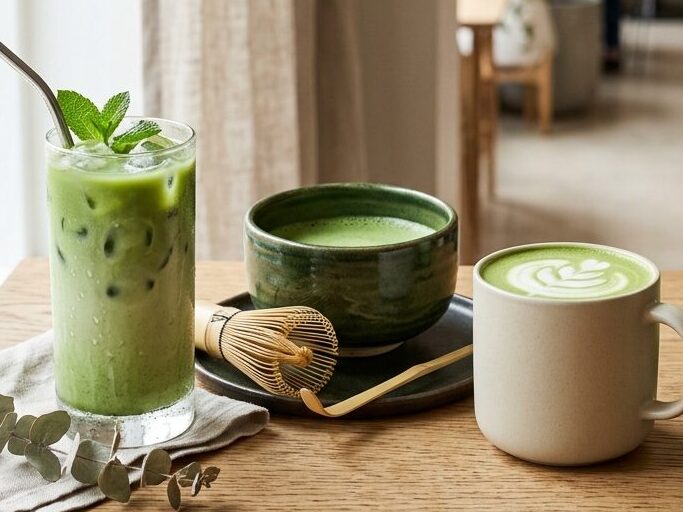
Ever wondered what all the fuss is about with matcha? You’ve probably seen it in lattes, desserts, and maybe even your friend’s morning ritual! It’s popping up in more and more coffee shops, but diving into the world of matcha can feel overwhelming. With so many different grades, brands, and brewing gadgets, where do you even start?
If you’re curious about this vibrant green powder but aren’t sure where to begin, you’ve come to the right place.
Welcome to MatchaVoyage!
This site is your friendly guide, created to demystify matcha and make it accessible for everyone. Whether you’re a coffee drinker looking for a gentler buzz or a wellness enthusiast interested in its health benefits, we’re here to help! Maybe you’re a tea aficionado hunting for a new taste… or you simply want to make a delicious cup at home. At MatchaVoyage, you’ll find clear guides, simple recipes, and honest recommendations to start your journey. No confusing jargon, guaranteed. I’ve broken everything down into beginner-friendly our free blogs so you can dip in wherever you like:
Choosing the right matcha
Confused by all the labels? You’re not alone. My guide on ceremonial vs culinary matcha clears up the confusion. It explains which type to buy and why.
The health perks
If you’re wondering whether the hype is real, take a look at the 7 benefits of drinking matcha. You’ll discover why this little green powder has become so popular!
Recipes you can actually make
No barista skills required. Learn how to make a matcha latte at home and skip the coffee shop line (and the price tag).
The gear question
Bamboo whisk or no bamboo whisk? Before you spend a cent, read whether you really need traditional matcha equipment—the honest answer is right there!
So… What Is Matcha, Exactly?
Matcha is a finely ground powder of specially grown and processed green tea leaves. Unlike traditional green tea where you steep and discard the leaves. With matcha, you whisk the powder directly into liquid and consume the entire leaf.
How Matcha Is Grown and Made
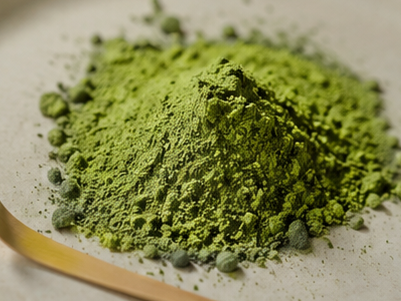
The process to create matcha begins weeks before harvest. The Camellia sinensis tea plants are shaded from direct sunlight. This process boosts chlorophyll production, giving the leaves their vibrant green color. It also increases the concentration of L-theanine, an amino acid linked to matcha’s unique umami flavor and calming effects. Less sun also means less bitterness, so you get sweetness instead of a sharp, astringent bite.
After harvesting, the leaves are quickly steamed to halt oxidation, preserving their color and nutrients. They are then deveined and destemmed, leaving only the finest parts of the leaf, known as tencha. Removing those tougher veins and stems isn’t just for show, it’s what gives matcha its smooth, melt-in-your-mouth feel. Finally, this tencha is stone-ground into the ultra-fine powder we know as matcha. Traditional granite mills turn slowly…really slowly. They produce only about 30-40 grams an hour because rushing creates heat that can dull the leaf’s color and flavor. The result is a powder finer than flour that dissolves easily and whisks into that gorgeous, frothy bowl of green.
With matcha, you consume the whole leaf rather than just a water infusion. This gives you a more concentrated dose of the plant’s nutrients, antioxidants, and caffeine. It results in a richer flavor and a more potent, yet balanced, energizing effect. Pretty impressive for something that started as a shaded little leaf.
A Journey from China to Japan
Matcha’s Early Roots in China
Matcha may feel like a thoroughly Japanese tradition. However, its roots reach back more than a thousand years to ancient China. During the Tang dynasty (618–907 CE), tea was pressed into bricks for easy transport along trade routes. To prepare it, people would roast a piece of the brick and grind it into a coarse powder. They would then boil it in water, often with a pinch of salt or ginger. This early practice planted the seed for everything matcha would become.
The Song Dynasty and the Rise of Whisked Tea
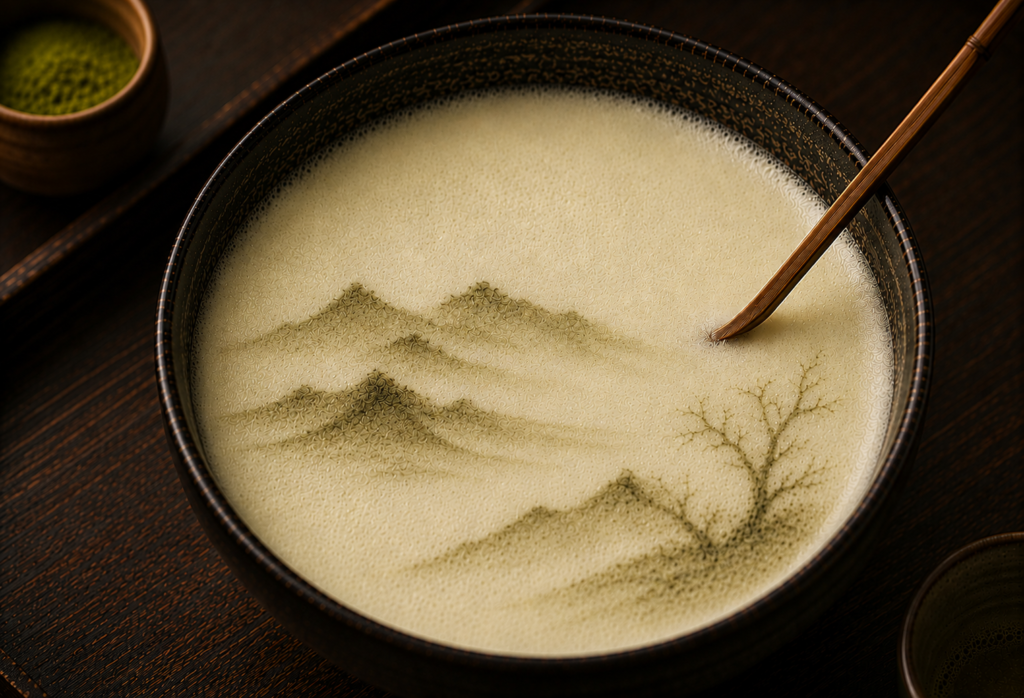
The real turning point came during the Song dynasty (960–1279 CE), when tea drinking blossomed into an art form. Instead of boiling the tea, people began whisking finely ground powder into hot water. Known as mo cha, it created a frothy, vivid green drink.
This method, called dian cha, captivated scholars, poets, and the imperial court. It even inspired elegant competitions, where participants judged one another’s tea by the quality and staying power of its foam.
Skilled tea masters also developed a related art known as chabaixi. The frothy surface became a kind of canvas, and practitioners used tea paste and small tools to create patterns, calligraphy, and even detailed images. In that sense, Song dynasty tea culture had its own version of latte art nearly a thousand years ago.
Just as importantly, Chan Buddhist monasteries embraced powdered tea. These monasteries were the precursor to Japanese Zen, and monks valued the calm focus tea offered during long hours of meditation. That clarity wasn’t just spiritual. By grinding and drinking the whole leaf, monks consumed both caffeine and L-theanine. This combination was valued for providing calm, sustained focus without the jittery feeling often associated with coffee.
How Matcha Reached Japan
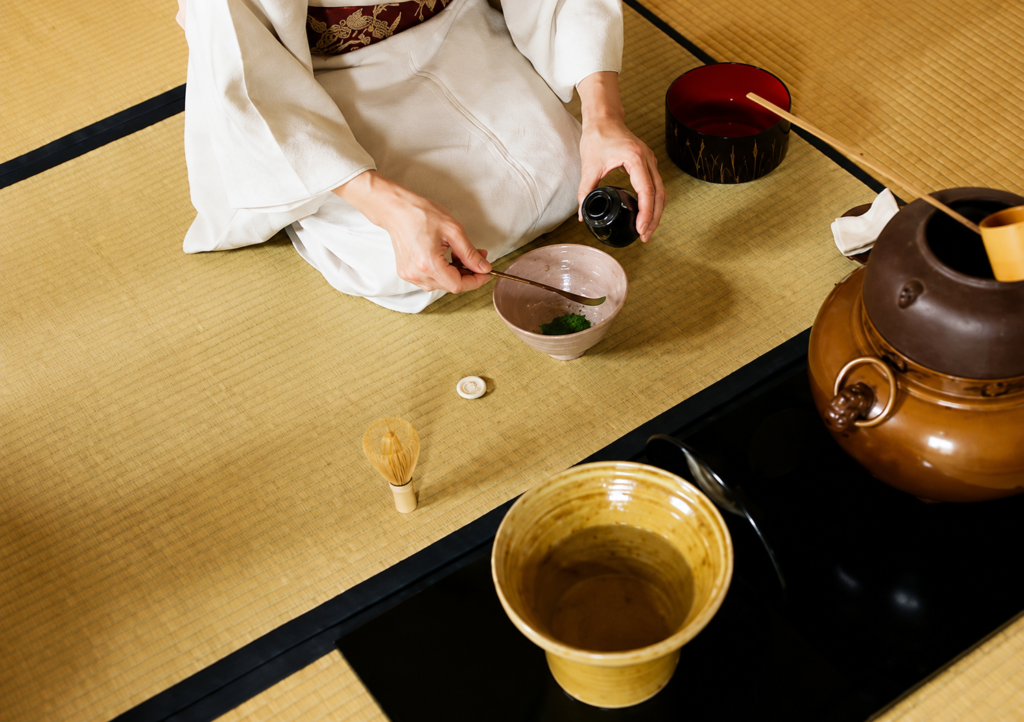
That spiritual connection is what carried matcha across the sea. In 1191, the Zen monk Eisai returned from China with tea seeds and the Song method of whisking powdered tea.
China gradually moved toward loose-leaf tea in the centuries that followed. Japan, however, preserved the powdered-tea tradition and refined it with extraordinary care.
Zen monks made matcha central to their practice. Tea masters such as Murata Jukō and Sen no Rikyū gradually shaped it into something greater than a drink. They moved away from showy displays in favor of simplicity, introspection, and the quiet beauty of imperfection—the wabi-sabi aesthetic.
Matcha and the Japanese Tea Ceremony
Over time, this approach developed into the meditative ritual we now known as the Japanese tea ceremony. It is built around four guiding principles: harmony, respect, purity, and tranquility.
Matcha became a symbol of refinement and mindfulness, woven deeply into Japanese art, hospitality, and everyday culture.
From Ancient Tradition to Modern Matcha
What makes matcha so special is this rare blend of history and intention. Every bowl carries echoes of Tang dynasty traders and Song dynasty artists. It also reflects generations of monks who found stillness in a simple cup of green tea.
Matcha remains a cornerstone of Japanese culture. Today, the same green powder appears in everything from morning lattes to ice cream and desserts around the globe.
When you whisk your own matcha today, you’re taking part in a story that has crossed continents and centuries. One mindful sip at a time.
Still curious? Here is a fantastic video by History of Simple Things on YouTube. It offers an even deeper dive into matcha’s history, culture, and how it’s made!