Do You Really Need Traditional Matcha Equipment?
Ever searched “how to make matcha” only to be overwhelmed by bamboo whisks, ceramic bowls, and tiny carved spoons? If you’ve ever felt like matcha is an exclusive club with a high barrier to entry, we have good news: you don’t need all that gear to get started!
Here’s the honest truth: traditional matcha tools are beautiful, meaningful, and a joy to use. But they aren’t essential for beginners to make a great cup of matcha. Not even close.
This guide will break down what traditional matcha equipment actually does, what you can skip, and what’s worth buying when you’re new. We’ll keep it simple, affordable, and fun—because that’s exactly what making matcha should be.
Why Matcha Comes With So Many Tools
Matcha isn’t brewed like regular tea. There are no leaves to steep and strain. Instead, the whole green tea leaf is ground into a fine powder, then whisked directly into water. That powder is famously clumpy and statically charged, so it clings to itself and resists mixing. Most traditional matcha tools exist to solve that one stubborn problem.
There’s also a lot of history baked into the hardware. The Japanese tea ceremony, known as chanoyu, shaped these tools over centuries, turning matcha preparation into a mindful, almost meditative ritual. Each piece carries real cultural weight, refined by generations of tea masters who took this practice seriously.
But here’s the key distinction: cultural significance and beginner necessity are two very different things. You can deeply respect the tradition and still start with a $5 frother. One doesn’t cancel out the other.
Meet the Traditional Matcha Equipment
Before deciding what to skip, it helps to actually understand what each tool is and why it exists. Spoiler: every one of them is clever, and none of them are mandatory on day one.
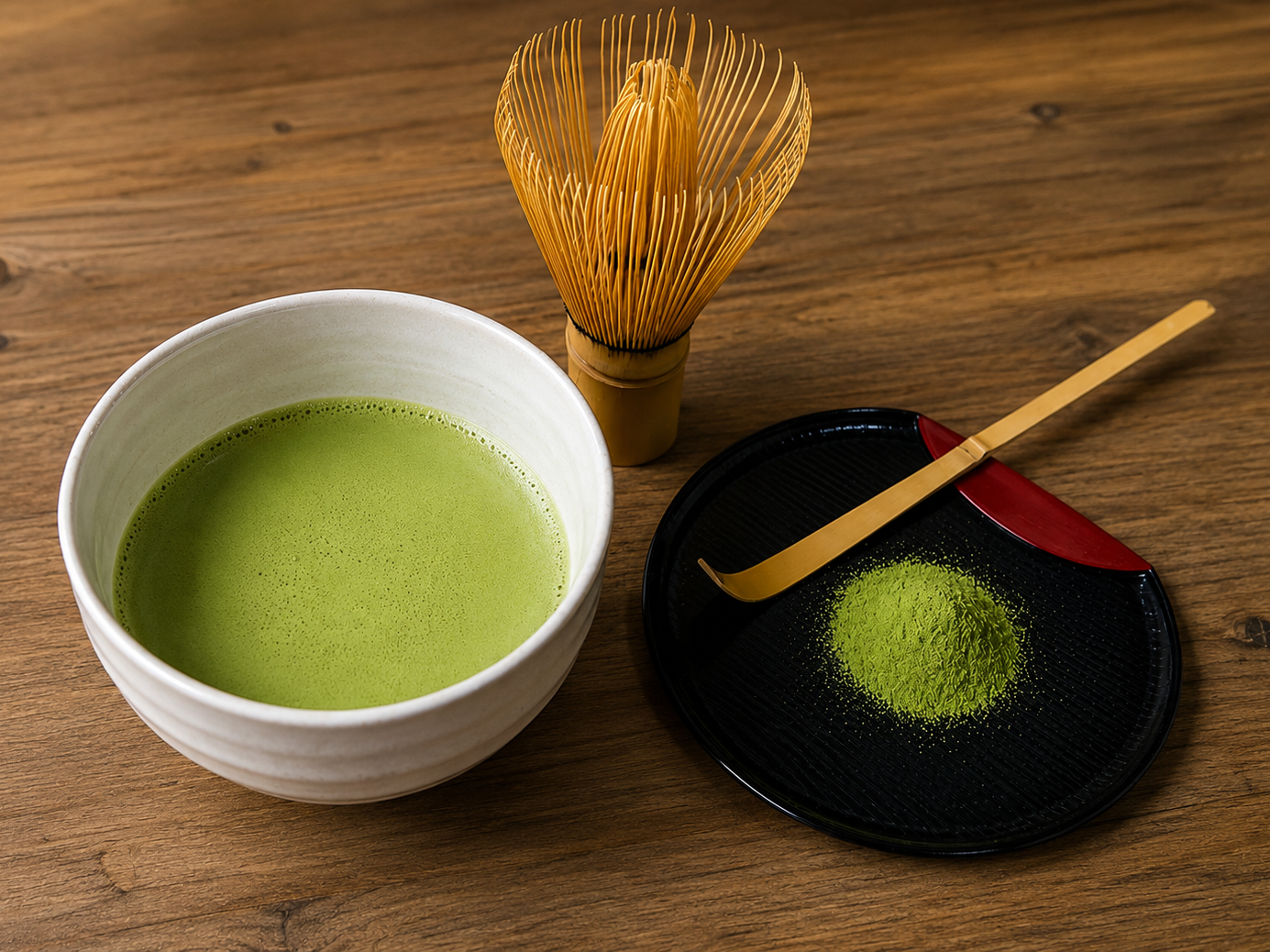
The bamboo whisk (chasen)
The chasen is the undisputed star of the show. It’s carved from a single piece of bamboo and splits into dozens of impossibly thin prongs, sometimes 80 or 100 of them. Those prongs break up clumps and whip air into the matcha, creating that signature frothy top everyone wants for their photos.
A good bamboo whisk genuinely makes smoother matcha, which is why it’s the tool most beginners feel tempted to buy first. It does take a little care, though. Traditionally, a chasen rests on a small holder called a kusenaoshi, which helps the prongs keep their shape and last longer. Lovely? Yes. Essential for your first week? Not even slightly.
The matcha bowl (chawan)
The chawan is a wide, shallow ceramic bowl. Its open shape gives your whisk room to move in those quick zigzag motions without launching green tea across your kitchen. Holding one is genuinely pleasant, and a beautiful chawan adds a lot to the ritual.
Functionally, though, it’s still a bowl. Your cupboard almost certainly contains something that will do the job tomorrow morning. The chawan is a “fall in love with matcha first, then treat yourself” kind of purchase.
The bamboo scoop (chashaku)
The chashaku is a slender, gracefully curved bamboo spoon used to measure out matcha. One heaped scoop is roughly the right amount for a single serving, which makes portioning effortless once you get the feel for it.
It’s elegant and undeniably charming. It’s also a measuring spoon. A regular half-teaspoon from your kitchen drawer does precisely the same job without the gift-shop markup.
Can You Make Matcha Without Traditional Equipment?
Absolutely!! And you’d be in very good company. The internet is full of perfectly delicious matcha made without a single piece of bamboo. Here are the most popular alternatives, ranked roughly by how reliable they are for beginners:
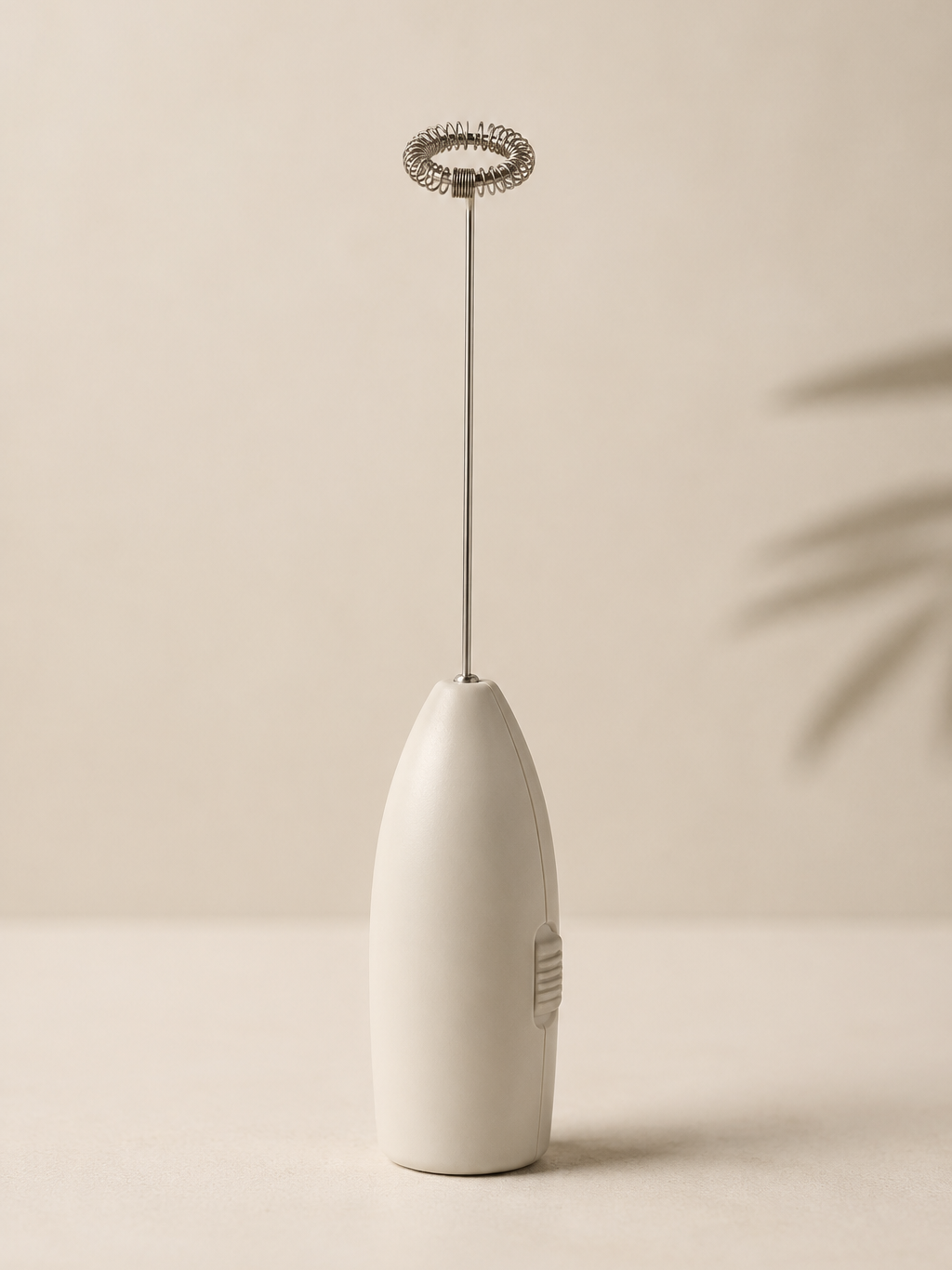
- Electric milk frother: A handheld, battery-operated frother whips matcha into a smooth, frothy drink in about 15 seconds. For most beginners, this is the easiest and most consistent option going. Just keep the frother in the liquid when you switch it on, or you’ll redecorate your counter in green.
- Small wire whisk: A mini kitchen whisk won’t froth quite like a chasen, but it’ll break up clumps and mix everything smoothly with a bit of elbow grease.
- A jar with a tight lid: Add matcha and water, screw the lid on, and shake hard for about 30 seconds. It’s not ceremonial, but it’s fuss-free and great when you’re out and about. One caution: with hot water, the pressure can build up, so open the lid carefully.
- A blender or shaker bottle: Brilliant for iced matcha and lattes, where a delicate froth matters less and convenience matters more.
One tip helps no matter which tool you reach for: sift your matcha first. A small sieve catches the clumps before they ever touch the water, and it makes every single method taste noticeably smoother. If you only adopt one “extra” habit, make it this one.
What Matcha Equipment Beginners Actually Need
Want the shortest possible shopping list? Here it is, in order of importance:
- Good matcha powder. This matters far more than any tool you could buy. A vibrant, grassy-green powder will beat expensive gear every single time. If you start with dull, dusty matcha, no whisk on earth will save it. (Not sure which grade to grab? Our guide to Ceremonial vs Culinary Matcha Explained clears it right up.)
- A small sieve. Cheap, tiny, and honestly the best bang-for-buck upgrade for smooth matcha. Most people already own one.
- A whisking tool. An electric frother is the friendliest starting point. You can graduate to a bamboo whisk later, once you know you’re hooked.
Traditional vs Modern Matcha Preparation
So how do the two approaches really stack up? Both make genuinely good matcha, they just suit different people and different mornings. Here’s a quick side-by-side to help you decide where to start.
| Factor | Traditional tools (chasen, chawan, chashaku) | Modern alternatives (frother, sieve, jar) |
| Upfront cost | Higher—a quality set adds up | Low, often using things you own |
| Ease for beginners | Takes a little practice | Very easy from day one |
| Froth quality | Excellent, silky microfoam | Good to great, especially with a frother |
| Speed | Slower, more deliberate | Fast—often under a minute |
| Cleanup | Gentle hand-rinsing; whisk needs care | Quick rinse, mostly dishwasher-friendly |
| Best for | Savoring the ritual, hot matcha | Busy mornings, lattes, iced matcha |
| The vibe | Mindful and meditative | Practical and grab-and-go |
The takeaway? Neither column is “better.” A bamboo whisk gives you the most authentic, silkiest result and a moment of calm. A frother gets you a delicious drink before you’ve even finished your toast. Many matcha lovers happily own both and pick based on their mood.
When It Makes Sense to Invest in Traditional Tools
None of this is an argument against traditional matcha tools. They’re wonderful, and there’s a real reason they’ve endured for hundreds of years. The point is simply about timing.
Consider upgrading to traditional equipment when:
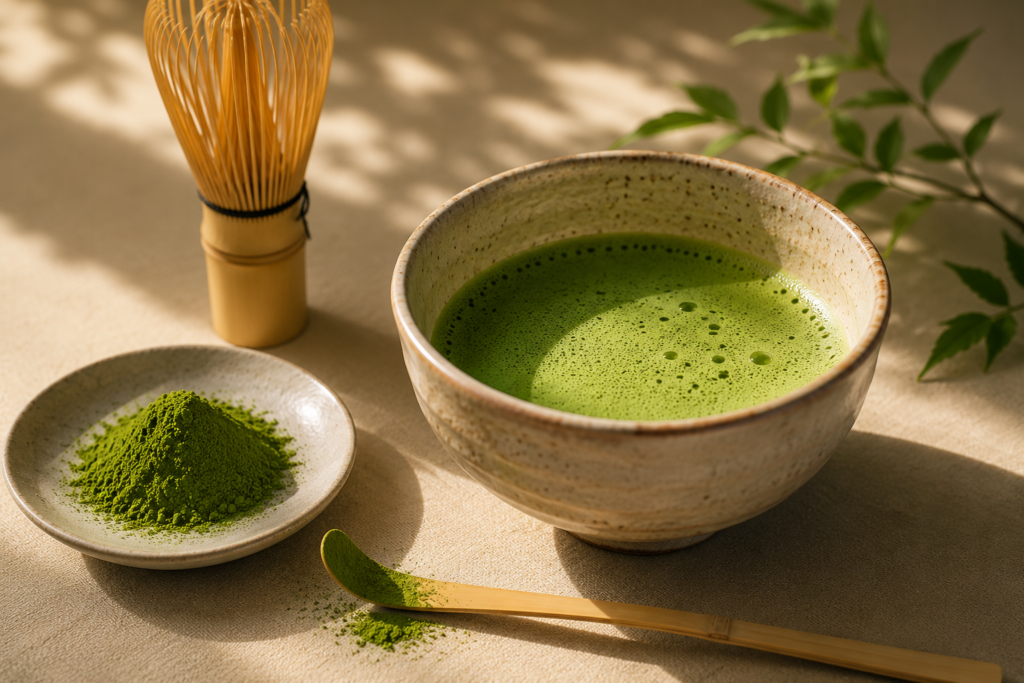
- You’re making matcha regularly. If it’s become a daily habit, a proper chasen will reward you with consistently smoother, frothier results.
- You’ve fallen for the ritual itself. Some people discover that the slow, deliberate whisking is the best part of their morning. If that’s you, a chawan and chasen turn a drink into a small daily ceremony.
- You want to honor the tradition. Learning to whisk properly with authentic tools is a meaningful way to connect with matcha’s history and craft. That’s a genuinely lovely reason to invest.
- You’re ready for hot, ceremonial-style matcha. Traditional tools shine brightest with hot matcha whisked the classic way. For iced drinks and lattes, modern tools are often just as good.
When you do buy, you don’t need to grab everything at once. A bamboo whisk is the single most impactful traditional tool, so start there. Add a chawan and chashaku later if they bring you joy. There’s no prize for owning the most accessories.
Enjoy the Matcha First, the Gear Can Wait
If you take one thing away from all this, let it be this: the matcha matters more than the equipment. A great powder whisked with a $5 frother will always beat mediocre matcha in a hand-thrown ceramic bowl.
Traditional matcha tools are beautiful, meaningful, and absolutely worth exploring once you’ve fallen for the drink. But they’re a reward for your curiosity, not a barrier to entry. Start simple. Use what you already own. Sift your powder, froth it up however you can, and actually drink the stuff!