Skip the Coffee Shop: How to Make a Matcha Latte at Home
If you’re tired of the morning coffee rush, you’re not alone. Many are switching to a gentler, greener alternative: the matcha latte. The best part? You don’t need to be a barista to make a delicious one at home.
In this guide, we’ll cover all the essentials: the basic ingredients, a simple five-step method, and common mistakes to avoid. We’ll even explore fun ways to customise your drink. By the end, you could be whisking up café-worthy matcha lattes without leaving your kitchen.
What Is a Matcha Latte?
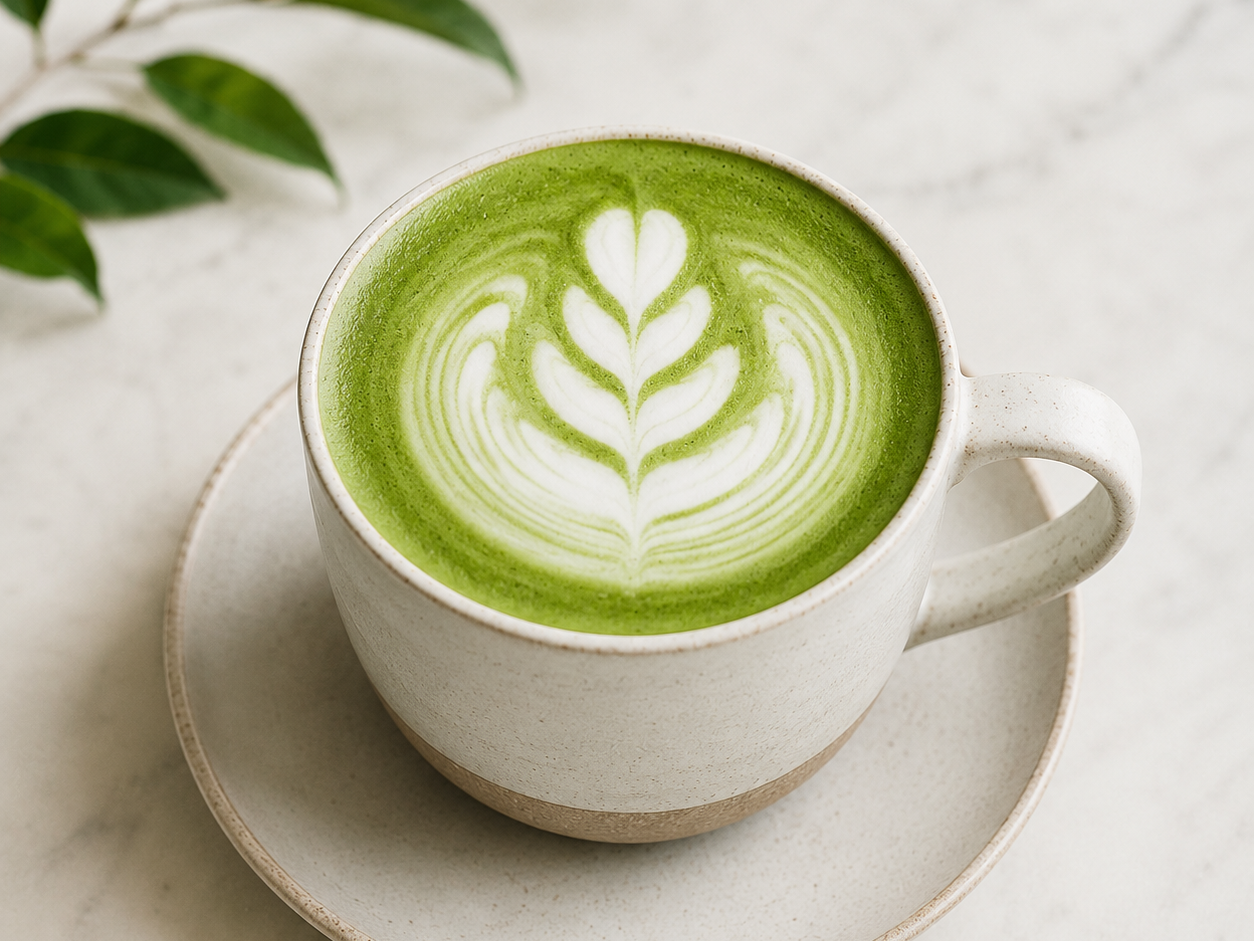
Just think of your usual latte: a shot of espresso softened by steamed milk. A matcha latte plays the same game, but instead of roasted coffee beans, it stars finely ground green tea leaves. And here’s the cool part, because you’re drinking the whole leaf rather than just steeping it and tossing it out, you get a richer flavor and a lot more of the good stuff packed into every cup.
Whisk that powder with a little warm water, pour creamy milk over the top, and you’ve got something earthy, gently sweet, and impossibly smooth. The color alone is worth the effort—a glowing green that looks gorgeous in a glass mug, crowned with a layer of velvety foam. If you’re curious where this vivid little powder even comes from, our What Is Matcha? A Beginner’s Guide is the perfect place to start.
What You’ll Need
Good news… you don’t have to raid a specialty tea shop to pull this off! A few simple ingredients and the tools already hiding in your kitchen will get you most of the way there.
Ingredients:
- Matcha powder: This is where quality really earns its keep. Look for a bright, vivid green powder that smells sweet and grassy. Not sure which kind to grab? Our guide on The Great Matcha Mix-Up: Ceremonial vs Culinary Matcha Explained will help you find the right tin for your taste—and your wallet.
- Water: Just a splash of warm water to whisk the powder into a smooth, lump-free paste.
- Milk: Whatever you love works here. Whole milk brings a rich, cozy texture, while plant-based options sneak in their own natural sweetness.
- Sweetener (optional): A little honey, agave, or maple syrup rounds out matcha’s earthy edge beautifully.
Equipment: Here’s where you can relax—fancy tools are totally optional. The traditional route uses a little bamboo whisk called a chasen, but an electric milk frother does the job wonderfully for beginners. No frother either? A small wire whisk, or even a fork in a wide mug, will get you there. Don’t stress about perfection, the fun is in the doing!
How to Make a Matcha Latte in 5 Simple Steps
Start to finish, this takes under five minutes. It’s a quiet, hands-on little ritual you’ll find yourself genuinely looking forward to each morning.
Step 1: Sift the powder
Measure out one teaspoon of matcha (about 2 grams) and gently press it through a small metal sieve into your mug. It feels like a fussy extra step, but trust me, sifting breaks up those stubborn clumps and keeps your drink silky instead of gritty.
Step 2: Add warm water
Pour about two tablespoons of warm water over the sifted powder. You want it hot, but not bubbling, aim for around 176°F (80°C). Boiling water scorches those delicate leaves and leaves you with a harsh, bitter cup nobody asked for.
Step 3: Whisk until frothy
Grab your bamboo whisk or frother and get mixing. With a bamboo whisk, flick your wrist in a brisk “W” or “M” motion for 15 to 20 seconds. You’re chasing a thick, foamy layer of bubbles on top—that’s the sweet spot.
Step 4: Heat your milk
Warm a cup of your favorite milk on the stove or in the microwave. If you’ve got a frother, give it a whirl until the milk doubles in size and turns into something that looks like liquid velvet.
Step 5: Combine and sip
Pour that warm, frothy milk over your whisked matcha, sweeten to taste, give it a gentle stir, and take that first sip. Soak in the creamy texture, the cozy earthy warmth, and the smooth finish. That’s the magic.
However, nothing beats seeing the process in action! Here is a popular tutorial by Michelle Kanemitsu, with over 580,000 views, beautifully demonstrates each step of making a creamy matcha latte while sharing helpful techniques that every beginner can learn from.
Common Matcha Latte Mistakes Beginners Make
We’ve all fumbled a new recipe once or twice, don’t worry, it’s part of the deal. Sidestep these classic slip-ups and you’ll be pouring a delicious cup every single time.
- ❌️Using boiling water: Like I mentioned, scorching water wrecks the flavor. Anything over 176°F (80°C) burns the powder, so let your kettle rest for about five minutes after it boils before pouring.
- ❌️Skipping the sifter: Matcha is statically charged and clumps together at every opportunity. Skip the sift, and you’ll eventually bite into a pocket of dry, bitter powder… not the surprise anyone wants.
- ❌️Stirring with a spoon: A spoon just can’t cut through the powder the way it needs to. Reach for a whisk or frother to really blend everything together.
- ❌️Using low-quality powder: A dull, yellowish-brown powder tastes a bit like old hay (sorry). Hunt for that vibrant, glowing green instead. For a latte, a good culinary grade or an entry-level ceremonial grade does the trick nicely.
Easy Ways to Customise Your Matcha Latte
Once the basics feel like second nature, the fun really begins. Tweak things to match exactly what you’re craving.
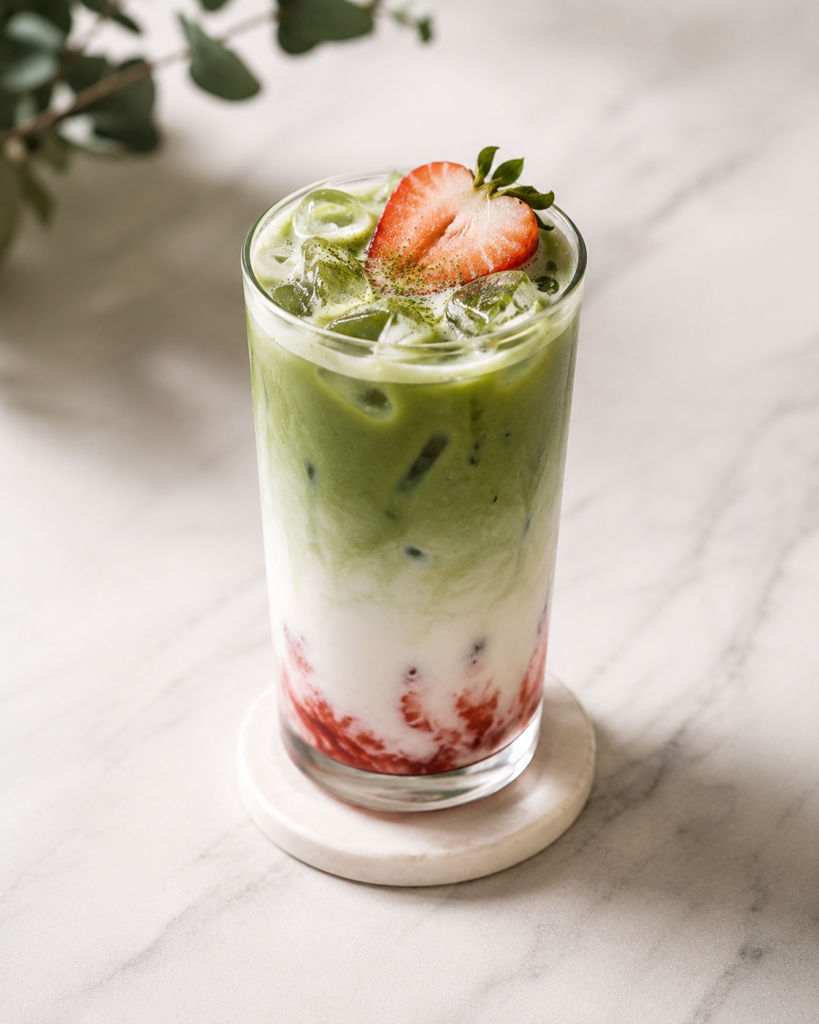
- Make it iced: When summer hits, skip the warm milk altogether. Whisk your matcha with a little warm water, pour it over a tall glass packed with ice, and top it off with cold milk. Hmmm… instant refreshment!
- Explore dairy-free options: Every milk brings out something different. Reach for oat milk if you want that thick, café-style body. Almond milk lends a subtle nutty note, and coconut milk adds a fun little tropical twist.
- Play with flavors: A dash of vanilla or a dusting of cinnamon on the foam works wonders. And come the holidays, a tiny drop of peppermint extract turns the whole thing into a seasonal treat.
Beyond tasting great, this gorgeous green tea is genuinely good for you. Pop over to our 7 Benefits of Drinking Matcha And Why It’s So Popular to see how one simple cup can fuel steady energy and sharper focus all day long.
Making your own matcha latte is a lovely way to take your mornings back. You trade the rushed, clattering chaos of the coffee pot for something slower, calmer, and entirely yours.
And listen… don’t sweat it if your first few tries aren’t picture-perfect or impossibly frothy. The whole point is to enjoy the ritual and savor the flavor. So grab a tin of that bright green powder, reach for your favorite mug, and start whisking. Pretty soon you’ll be wondering why you ever bothered standing in those long coffee shop lines.
Frequently Asked Questions
How much caffeine is in a matcha latte?
A standard homemade matcha latte made with one teaspoon (2 grams) of powder contains roughly 60 to 70 milligrams of caffeine. This provides a gentle, sustained energy lift without the jittery crash often associated with coffee.
Can I make a matcha latte without a bamboo whisk?
Yes. While a bamboo whisk (chasen) is traditional and highly effective, an electric milk frother is an excellent substitute for beginners. You can also use a small kitchen wire whisk in a pinch to combine the water and powder.
Why is my homemade matcha latte bitter?
Your water temperature is likely too high, or you might be using low-quality powder. Always use warm water (around 176°F or 80°C) instead of boiling water, and purchase matcha that is vibrant green rather than dull yellow or brown.